Creating Compositions with Annuals, Perennials, and Ornamental Grasses
The art of garden composition lies in understanding how different plant types work together to create visual harmony, seasonal interest, and structural beauty. Our expertise in combining annuals, perennials, and ornamental grasses allows us to create gardens that are both immediately stunning and designed to evolve beautifully over time.
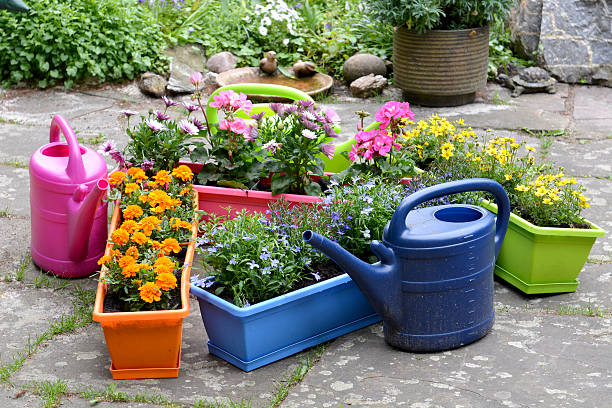
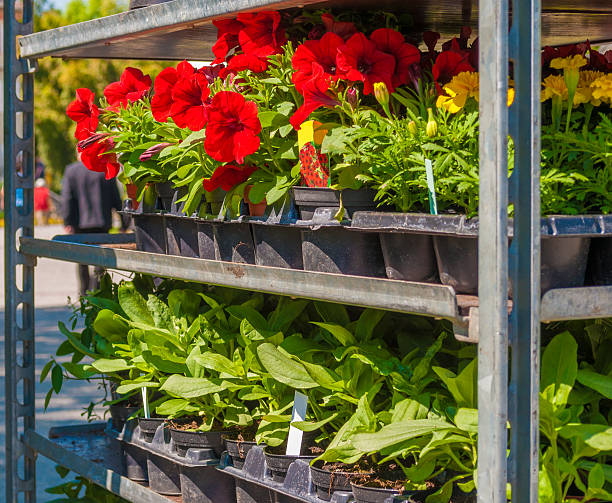
Annuals bring instant color and flexibility to garden compositions. These plants complete their life cycle in a single growing season, allowing us to experiment with bold color schemes and dramatic effects that can be completely refreshed each year. Petunias, marigolds, zinnias, and impatiens provide reliable, long-lasting blooms that fill gaps in perennial displays and add vibrant accents throughout the garden. We strategically place annuals to create focal points, fill temporary voids as perennials establish themselves, and provide continuous color during periods when perennials may be between bloom cycles.
Perennials form the backbone of most garden compositions, providing structure, reliability, and increasing beauty as they mature. Unlike annuals, perennials return year after year, developing stronger root systems and more impressive displays with each passing season. We select perennials not just for their flowers but for their foliage, form, and seasonal contributions. Hostas provide lush foliage in shade gardens, while ornamental grasses add movement and texture. Coneflowers, black-eyed Susans, and daylilies offer reliable summer color, while asters and sedums extend the season into autumn.
Ornamental grasses have become essential elements in modern garden design, bringing movement, texture, and year-round interest to compositions. These versatile plants sway gracefully in the breeze, creating a sense of life and dynamism that static plantings cannot match. In spring, their fresh green growth emerges, providing a soft backdrop for flowering plants. During summer, many grasses produce attractive seed heads and maintain their structural presence. In autumn, grasses reach their peak, with many developing stunning fall colors ranging from golden yellows to deep burgundies. Even in winter, the dried grasses provide architectural interest and texture, especially when dusted with snow or backlit by low winter sun.
Our composition approach considers multiple design principles. We create layers of height, with taller plants providing background structure and shorter plants creating foreground interest. We balance color, using complementary and analogous color schemes to create visual harmony. We vary texture, combining fine-textured grasses with bold-leaved perennials and delicate-flowered annuals. We consider bloom times, ensuring that something is always in flower or providing visual interest throughout the growing season.
Spacing and proportion are critical in successful compositions. We allow adequate room for plants to reach their mature size while creating enough density to achieve a cohesive, finished look. We use repetition to create rhythm and unity, repeating key plants or color themes throughout the composition. We also consider maintenance requirements, grouping plants with similar needs together to simplify care and ensure optimal growing conditions for each species.