Plant Selection Based on Lighting, Soil Type, and Microclimate
One of the most common mistakes in gardening is choosing plants based solely on their appearance without considering whether they'll actually thrive in your specific environment. Our comprehensive plant selection service takes the guesswork out of gardening by carefully analyzing three critical factors: lighting conditions, soil composition, and microclimate variations throughout your property.
Lighting is perhaps the most fundamental consideration when selecting plants. We conduct detailed sun exposure analysis, tracking how sunlight moves across your space throughout the day and across different seasons. Full sun areas receive six or more hours of direct sunlight daily and are perfect for sun-loving perennials like coneflowers, black-eyed Susans, and daylilies. Partial shade areas, receiving three to six hours of sun, support a different palette including hostas, astilbes, and coral bells. Full shade locations, with less than three hours of direct sun, require shade-tolerant species like ferns, hellebores, and certain varieties of hostas.
Soil type and composition play an equally crucial role in plant success. We perform soil testing to determine pH levels, nutrient content, drainage characteristics, and texture. Clay soils, common in the Denver area, retain moisture well but can become compacted and poorly drained. We select plants that tolerate these conditions or recommend soil amendments to improve structure. Sandy soils drain quickly and require plants adapted to drier conditions or frequent irrigation. Loamy soils, the gardener's ideal, support the widest variety of plants and allow for more flexible selection.
Microclimates are the subtle environmental variations that exist within even a small property. A south-facing wall creates a warm microclimate perfect for heat-loving plants that might struggle elsewhere. Low-lying areas may collect cold air, creating frost pockets that limit plant choices. Wind patterns, reflected heat from buildings or pavement, and proximity to water features all create unique microclimates that influence plant selection. We map these variations and select plants specifically suited to each microclimate zone.
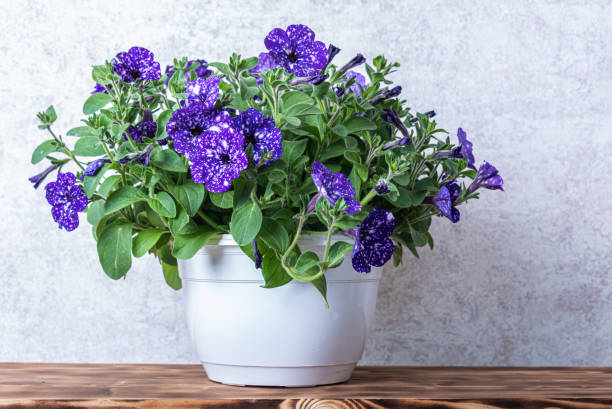
Our selection process doesn't stop at environmental compatibility. We also consider aesthetic goals, maintenance requirements, and long-term growth patterns. We help you understand how plants will mature over time, ensuring that your garden remains beautiful and manageable as plants reach their full size. We create plant combinations that not only look stunning together but also support each other's growth, creating a harmonious and sustainable garden ecosystem.