Arrangement of Alpine Slides, Rockeries, and Raised Flower Beds
Alpine slides and rockeries represent some of the most distinctive and visually striking features in landscape design. These specialized garden elements recreate the natural beauty of mountain environments, combining carefully selected stones with alpine and rock garden plants to create miniature mountain landscapes. Our expertise in designing and constructing these features allows us to transform even flat properties into dramatic, multi-dimensional gardens.
Alpine slides require careful planning and construction to achieve both aesthetic appeal and long-term stability. We begin by analyzing the site's drainage patterns and sun exposure, as these factors determine the slide's orientation and plant selection. The construction process involves creating a well-drained foundation, often using gravel and specialized soil mixes that mimic the fast-draining conditions alpine plants require. We carefully position stones to create natural-looking outcrops and planting pockets, ensuring that each stone appears as if it has been there for centuries rather than placed yesterday.
Rockeries differ from alpine slides in their typically flatter, more horizontal orientation, though they share similar principles of stone and plant integration. Rockeries work beautifully on slopes, in corners, or as focal points in larger gardens. We select stones that complement the property's existing materials and create visual harmony with surrounding structures. The plants we choose for rockeries must tolerate the well-drained, often dry conditions that stone features create, while providing year-round interest through foliage, flowers, and form.
Raised flower beds have become increasingly popular for both aesthetic and practical reasons. These elevated planting areas create visual interest, improve drainage, reduce back strain during gardening, and allow for precise soil control. We design raised beds in various materials including natural stone, brick, wood, and modern composite materials, selecting options that complement the overall landscape design. The height and dimensions of raised beds are carefully planned to ensure comfortable access and proportional appearance within the garden space.
Vertical Landscaping of Balconies and Container Systems
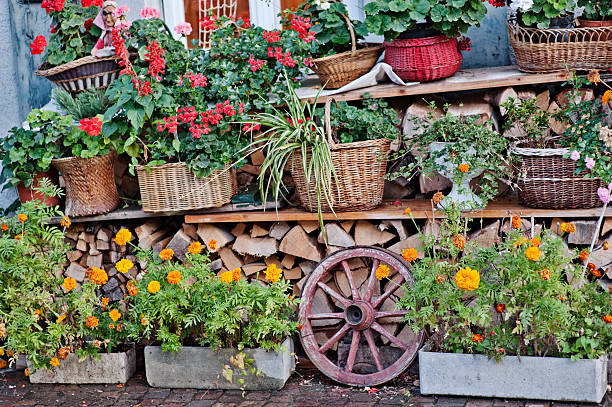
Urban living often means limited horizontal space, but vertical landscaping opens up entirely new possibilities for creating lush, green environments on balconies, patios, and small urban spaces. Our vertical landscaping services transform blank walls and railings into living gardens that maximize every square inch of available space while creating privacy, reducing noise, and improving air quality.
Vertical garden systems range from simple trellises supporting climbing plants to sophisticated modular systems that support entire ecosystems of plants. We assess each space's structural capacity, sun exposure, and access to water before recommending appropriate vertical systems. For sunny balconies, we might install a modular living wall system with integrated irrigation, allowing for a diverse mix of flowering plants, herbs, and foliage plants. For shaded areas, we focus on shade-tolerant plants that thrive in vertical conditions, such as ferns, hostas, and certain varieties of ivy.
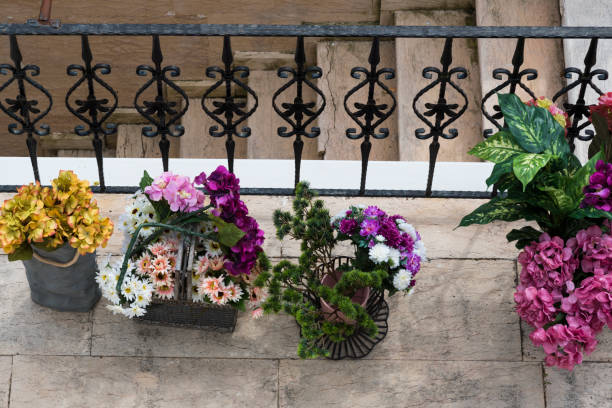
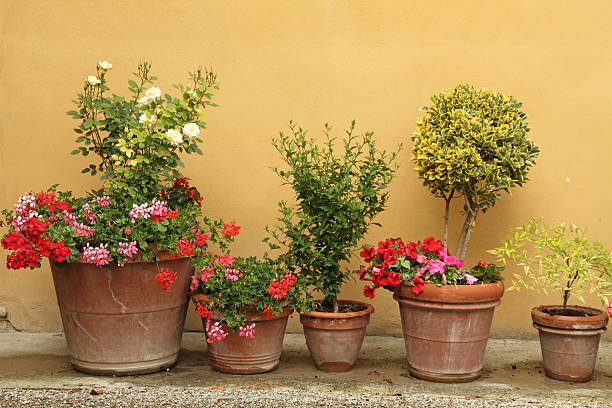
Container systems form the foundation of successful balcony and patio gardens. We design container arrangements that consider not just individual plant needs but also how containers work together to create cohesive, beautiful displays. We select containers based on material durability, drainage capabilities, aesthetic appeal, and weight considerations, especially important for elevated balconies with weight restrictions. Our container designs often incorporate multiple sizes and heights to create visual interest and allow for proper plant spacing.
Irrigation is a critical consideration in vertical and container gardening. We design and install efficient watering systems that ensure plants receive adequate moisture without creating maintenance burdens. Drip irrigation systems, self-watering containers, and moisture-retaining soil mixes all play roles in creating low-maintenance vertical gardens that thrive throughout the growing season.